Children’s Baby Animal Bundle Patterns
A Designer’s First Glance: Sweet, Soft, and Seamlessly Scalable
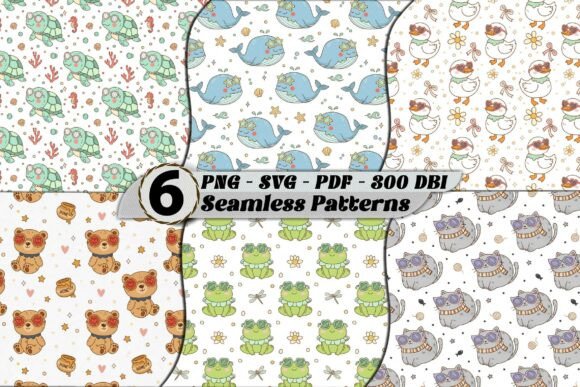
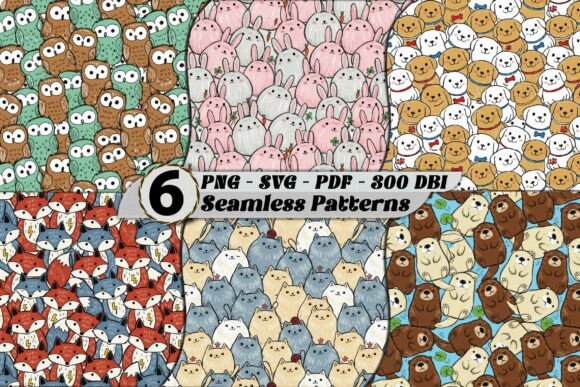
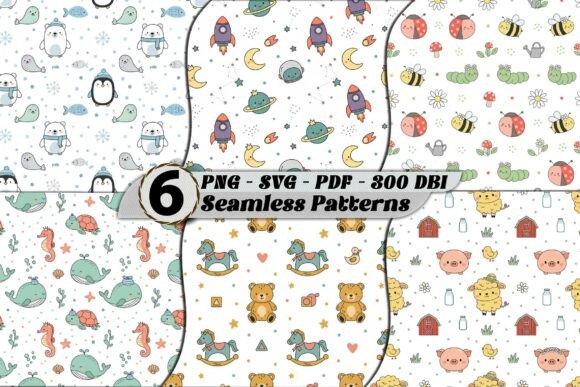
Opening Children’s Baby Animal Bundle Patterns, I felt an immediate shift in tone—gentle, playful, and intentionally uncluttered. These six seamless patterns don’t shout; they invite. Think fuzzy bunnies nestled between tiny paw prints, sleepy bears peeking through cloud-shaped repeats, and ducklings waddling across a soft, rhythmic grid. The line work is clean but not clinical—just enough organic variation to feel handmade, not algorithmic. As an embroidery designer who’s stitched everything from boutique baby blankets to Etsy bestsellers, I knew right away this wasn’t just “cute.” It was *curated* for warmth, repetition, and quiet storytelling.
Where This Bundle Actually Shines (and Where It Needs Care)
I tested one pattern—a looping fox-and-leaf repeat—as a machine embroidery design on a linen-cotton tea towel, then scaled it down for a baby onesie yoke and up for a large tote bag panel. Here’s what held up—and where I paused:
- Custom apparel: On midweight cotton sweatshirts? Excellent. The spacing between animals lets fill stitch breathe, reducing puckering. On thin jersey tees? Only with lightweight stabilizer and reduced density—those delicate tails and ears need breathing room.
- Baby embroidery: Ideal for bibs, burp cloths, and blanket borders. The scale reads clearly even at 3"–4" wide, and the rounded shapes avoid sharp corners that snag or irritate sensitive skin.
- Embroidered patch: Works beautifully as a border or background for a central monogram—especially when stitched on twill or denim. But avoid using the full repeat as a standalone patch unless you’re willing to trim carefully; seamless doesn’t mean “no seam lines” in stitch execution.
- Holiday embroidery & personalized gifts: Paired with a simple “First Christmas” or “Little One” text block, this bundle adds instant charm to stockings, pillow covers, or nursery wall hangings—without competing visually.
Fabrics That Love (and Resist) These Patterns
Not all surfaces treat seamless repeats equally. On smooth, stable fabrics like quilting cotton or medium-weight canvas, Children’s Baby Animal Bundle Patterns translates cleanly—stitch definition stays crisp, and satin stitch edges hold their shape. But on textured fabrics (like terry cloth towels) or stretchy knits (think baby leggings), I recommend testing two things first: how the repeat aligns across seams, and whether small details—like a bunny’s whisker or a hedgehog’s spines—disappear into the pile or distortion. Dark fabric? No problem—but double-check thread color contrast in your digital embroidery file preview. A light gray fox can vanish on navy without a subtle outline stitch or tone-on-tone variegated thread.
What This Bundle Does for Your Craft Business
As an Etsy seller and small shop owner, I judge design assets not just by aesthetics—but by how they impact buyer trust and perceived value. Children’s Baby Animal Bundle Patterns elevates handmade product presentation instantly. Customers scrolling past a plain embroidered tote see something familiar yet fresh—recognizable baby animals, arranged with intention. That builds connection faster than abstract motifs. For commercial embroidery, it offers consistent branding potential: imagine matching tea towels, aprons, and baby caps all sharing the same gentle rhythm. And because these are seamless patterns—not single motifs—you’re not limited to center placements. You can wrap them around curved surfaces (like cap brims or mug cozies) or tile them across wide panels (nursery curtains, quilt backings) without visible breaks.
Real-World Red Flags (and How to Dodge Them)
This isn’t a “drop-in-and-stitch” bundle for every scenario. Here’s where attention matters:
- Hoop size: Some repeats span 5"+ at full scale—fine for large hoops, but tight for 4×4 machines. Always check your largest hoop before scaling up.
- Dense stitch areas: Those fluffy animal bodies use generous fill stitch. On lightweight fabrics, reduce density by 10–15% or add tear-away + cut-away stabilizer combo.
- Curved surfaces: Caps and hats demand careful digitizing adjustments. Don’t assume the flat PDF or SVG will auto-adapt—test on scrap first, especially near the crown seam.
- Frequent washing: Baby items get laundered hard. Use high-quality polyester thread and lock stitches well. Avoid overly fine details (like individual toes) if durability is priority over delicacy.
Designer Notes You’ll Actually Use
Before stitching your first client project or listing a finished product:
- Test the Children’s Baby Animal Bundle Patterns on scrap fabric matching your final product’s weight and weave.
- Review stitch density in your embroidery software—look for overlapping fills or thread-heavy zones that could cause stiffness.
- Check small details at actual size: can you distinguish a fawn’s spots from a lamb’s fleece? If not, simplify or enlarge slightly.
- Run black-and-white mockups—this reveals contrast issues invisible on screen.
- Confirm licensing: since this is a digital embroidery file sold as Patterns and Graphics, verify whether commercial use (e.g., selling embroidered onesies on Etsy) is permitted under its terms.
- Use proper stabilizer—not just for hold, but for surface consistency. A slight puckering in the repeat breaks the “seamless” illusion.
The Final Stitch
Children’s Baby Animal Bundle Patterns isn’t flashy—but it’s quietly versatile. It works because it respects both the craft and the customer: soft enough for baby skin, structured enough for professional presentation, and flexible enough for sweatshirt embroidery, holiday embroidery, or a custom embroidered tote bag that becomes a keepsake. It won’t replace your signature monogram or bold logo—but it will make those pieces feel warmer, more intentional, and unmistakably handmade. For embroidery designers and creative entrepreneurs who value clarity over clutter, this bundle earns its place in the working library—not as decoration, but as reliable, repeatable, resonant design language.