Pixel Art Patterns of Paper Planes for Web and Editorial Design
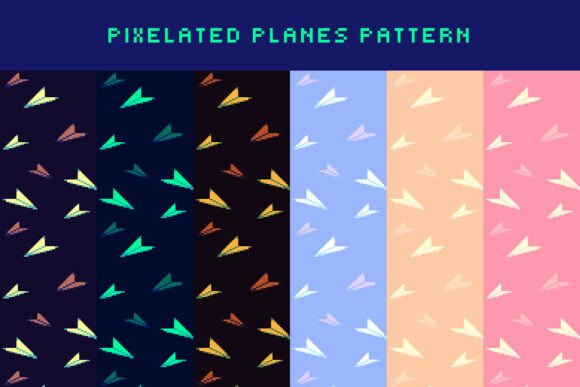
As a blog designer and digital publisher, I’m always on the lookout for graphic design assets that can elevate content visuals without compromising editorial quality. Recently, I came across Pixel Art Patterns of Paper Planes, a set of six pixelated seamless patterns featuring retro planes in a range of pastel and bold colors. This graphic design asset immediately caught my attention with its nostalgic charm and versatility for various publishing needs.
A Nostalgic Touch for Modern Content
The first impression of Pixel Art Patterns of Paper Planes is one of playful nostalgia. The retro-inspired pixel art brings a whimsical, artistic feel to any editorial layout. With options like yellow, green, orange, pastel pink, pastel blue, and pastel orange, these patterns naturally support lifestyle-focused, creative, or educational content niches. They exude a modern yet vintage aesthetic that feels both fresh and familiar—perfect for content that wants to stand out but still resonate with readers.
This pattern collection leans into a playful, slightly feminine, and artistic mood. It’s not overly professional or serious, which makes it ideal for blogs, newsletters, and social media posts that aim to be approachable and visually engaging. The soft pastels offer a gentle backdrop for text, while the bolder colors can add a punch of visual interest to headers or banners.
Real Publishing Use Cases for Pixel Art Patterns of Paper Planes
Pixel Art Patterns of Paper Planes can be used in a wide array of real-world publishing scenarios. From blog featured images to Pinterest pins, this graphic design asset adds a unique visual element that supports brand identity and reader engagement. Here are some specific use cases:
- Blog Featured Images: Use the pattern as a background for article headers or lead magnets. It adds a decorative touch without overwhelming the reader.
- Pinterest Graphics: The retro plane motif works well for visual content that aligns with travel, creativity, or DIY themes.
- Newsletter Banners: Incorporate the pattern into email headers or promotional banners for a cohesive look across all digital channels.
- Downloadable Resources: Add the pattern to worksheets, digital guides, or printable designs to enhance their visual appeal and make them more shareable.
- Social Media Previews: Apply the pattern to Facebook, Instagram, or Twitter cards to create eye-catching thumbnails that encourage clicks.
- Canva Templates: These patterns work seamlessly within Canva, making it easy to build custom templates for content marketing or affiliate marketing efforts.
Boosting Content Performance with Visual Appeal
Using Pixel Art Patterns of Paper Planes can significantly improve content performance by enhancing visual hierarchy and reader trust. A strong first impression is crucial for blog graphics and website headers, and this pattern helps achieve that by adding a polished, professional look to otherwise plain layouts.
The retro aesthetic also contributes to better category recognition. For instance, if you're running an affiliate blog focused on retro tech or vintage hobbies, this pattern reinforces the niche's theme. It supports stronger visual identity and ensures consistency across your content marketing efforts, whether it's through digital products, printable designs, or web design elements.
Where This Pattern Works Best
While versatile, Pixel Art Patterns of Paper Planes shines brightest in certain contexts. It works exceptionally well as hero images, article thumbnails, Pinterest pins, blog graphics, and editorial accents. When paired with clean typography, it enhances readability and improves the overall user experience.
For digital product creators, it's an excellent addition to content upgrades, downloadable resources, and media kits. Its retro charm fits well with creative marketplaces and small business branding initiatives, especially those targeting younger audiences or niche communities.
Use with Caution in Specific Scenarios
Although this pattern is highly adaptable, there are situations where it should be used carefully. Avoid using it in small mobile thumbnails where the intricate pixel details might become unclear. Similarly, steer clear of placing it behind text-heavy blog images or on low-contrast backgrounds, as this could reduce readability.
If your content is serious, corporate, or requires a minimal visual system, this pattern may not be the best fit. It’s best suited for websites and content that embrace a more playful, artistic, or lifestyle-oriented tone.
Practical Publisher Notes for Using Pixel Art Patterns of Paper Planes
Before integrating Pixel Art Patterns of Paper Planes into your content workflow, consider the following practical tips:
- Test on Multiple Devices: Check how the pattern looks on desktop and mobile screens to ensure it remains visually appealing across all platforms.
- Preview in Real Layouts: Place the pattern inside your blog layout or newsletter template to see how it interacts with other design elements.
- Check Contrast and Readability: Ensure that the pattern doesn’t interfere with text legibility, especially when used as a background.
- Review File Size: Confirm the file size of the SVG and EPS files to maintain optimal web performance and avoid slow loading times.
- Confirm Licensing: Always verify commercial licensing before using this graphic design asset on monetized websites, affiliate pages, or paid content products.
By thoughtfully applying Pixel Art Patterns of Paper Planes to your editorial design, web design, and content marketing strategies, you can create more engaging, professional-looking content that resonates with your audience and strengthens your brand identity.