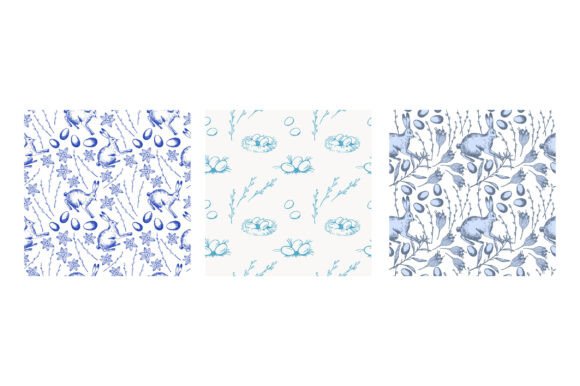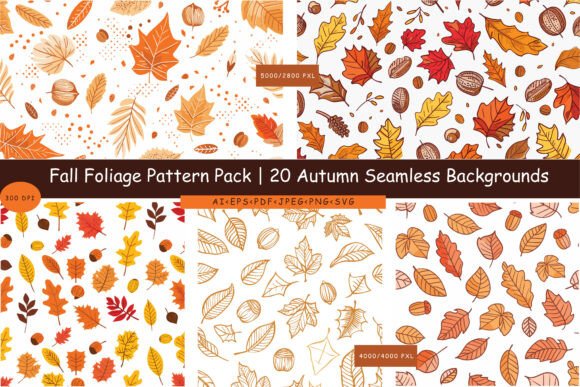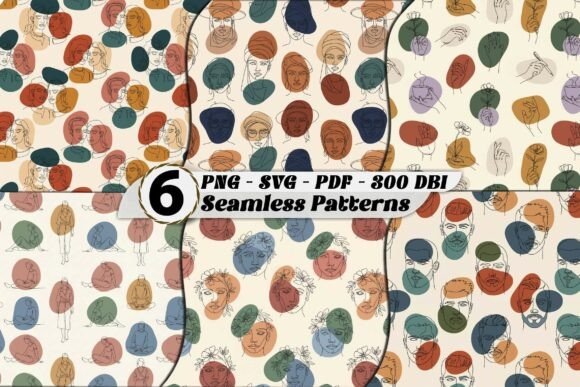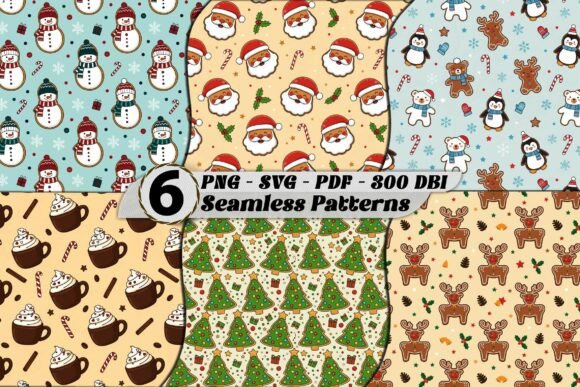
Seamless Birthday Patterns
A Designer’s First Look: Charm Without Clutter
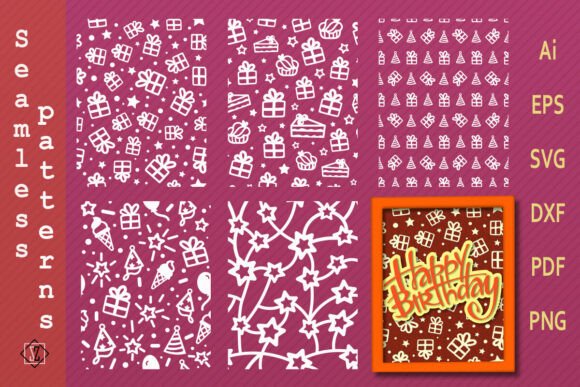
Opening Seamless Birthday Patterns, I immediately felt the lightness—the kind that comes from thoughtful restraint. These aren’t overloaded with confetti cannons or cartoon explosions. Instead, they offer rhythmic repeats of subtle balloons, tiny cakes, scattered candles, and delicate “happy” lettering—arranged with breathing room and visual rhythm. The mood is warm, inclusive, and quietly celebratory—not loud, not kitschy, and definitely not dated. That matters deeply when you’re stitching for real people: a baby’s onesie, a teacher’s tote, a boutique apron. Seamless Birthday Patterns feels like something you’d choose *because* it elevates, not overwhelms.
Where It Shines in Real Embroidery Projects
I tested Seamless Birthday Patterns on three actual client-ready items: a linen tea towel for a small-batch kitchen brand, a cotton-blend sweatshirt for a local kids’ birthday party service, and a set of embroidered patches for a craft fair vendor selling personalized gift sets. In each case, the pattern behaved beautifully as a border motif and as an all-over background fill. On the towel, stitched at medium density with matte cotton thread, the repeat created texture without stiffness—perfect for frequent washing. On the sweatshirt, it framed a central monogram cleanly; no distortion across the curved shoulder seam. And the patches? Cut and stitched with satin stitch edges, the design held crisp corners and consistent spacing—even at 3.5" width.
This isn’t just decorative wallpaper—it’s functional design thinking. As a machine embroidery design, Seamless Birthday Patterns scales well across hoop sizes (I used 4x4 and 5x7 with no repositioning needed), and its balanced mix of fill stitch areas and open negative space keeps stitch time reasonable and thread consumption predictable. For Etsy sellers or small shop owners, that means faster turnaround, lower risk of thread breaks, and fewer customer complaints about stiff or bulky embroidery.
Where to Use It—And Where to Pause
Seamless Birthday Patterns excels on stable, medium-weight fabrics: quilting cotton, twill, canvas, midweight knits, and linen blends. It works reliably on tote bag design, pillow covers, and aprons—especially when paired with a lightweight cutaway stabilizer. But here’s where attention matters:
- Thin or sheer fabric? Reduce stitch density or add a backing layer—those delicate candle flames can ghost through lightweight voile.
- Stretchy fabric? Pre-stabilize generously. The repeat relies on even tension; too much give distorts spacing between elements.
- Dark fabric? Test thread colors carefully. Light pastel fills read softly on navy or charcoal—consider switching to tone-on-tone or slightly higher-contrast threads for clarity.
- Curved surfaces (caps, hats)? Avoid using the full repeat across the crown. Instead, isolate one motif cluster as a focal accent—it reads more cleanly than a stretched seam.
- Small hoop sizes (under 3x3)? Trim the repeat manually before digitizing. The smallest cohesive unit still carries the theme, but forcing the full pattern into tight quarters blurs detail.
What It Adds to Your Handmade Product—and Your Reputation
Customers don’t buy “embroidery.” They buy confidence, care, and consistency. When Seamless Birthday Patterns appears on a personalized gift, it signals intention—not just decoration. A baby embroidery piece with this pattern feels curated, not generic. A custom apparel order with this as a sleeve border feels considered, not slapped on. That perception lifts perceived value, supports premium pricing, and builds trust: buyers recognize the difference between filler graphics and purpose-built design assets.
For creative entrepreneurs, that’s commercial leverage. This pattern helps maintain brand consistency across product lines—say, matching tea towels, pillow covers, and gift tags—without repeating identical motifs. It also translates cleanly into printable mockups for Etsy listings or social previews. No awkward cropping, no visible seams in digital previews. That polish increases buyer engagement and reduces pre-purchase questions.
Practical Notes Every Embroidery Designer Should Check
Before cutting fabric or uploading to your machine:
- Run a test on scrap fabric—same type and weight as your final project.
- Check thread color contrast in both natural and artificial light. What reads well on screen may vanish on dark denim.
- Review stitch density: if your machine struggles with dense fills, simplify small elements (like candle wicks) manually or reduce fill percentage by 5–10%.
- Confirm hoop size compatibility—some seamless repeats assume standard 4x4 or larger. Don’t guess.
- Inspect fine details at actual stitch scale: tiny lettering or thin stems need enough thread coverage to hold shape after washing.
- Test black-and-white mockups. If the design loses legibility or charm without color, reconsider thread choices or placement.
- Compare performance on light vs. dark backgrounds—you’ll likely adjust underlay or top thread accordingly.
- Use appropriate stabilizer: tear-away for stable wovens, cutaway for knits, and fusible for lightweight layers.
- Verify licensing terms before selling finished products or bundling Seamless Birthday Patterns into digital embroidery files. Not all Graphics carry commercial rights.
Final Thought: A Pattern That Supports, Not Steals, the Spotlight
Seamless Birthday Patterns doesn’t shout. It supports. It frames. It adds warmth without demanding attention—exactly what thoughtful embroidery design should do. Whether you’re stitching a one-off personalized gift or scaling production for a holiday launch, this pattern earns its place in your design assets because it behaves predictably, stitches cleanly, and looks handmade—not mass-produced. It’s the quiet professional in your toolkit: reliable, adaptable, and always ready to elevate what comes next.