Whimsical Seamless Patterns PNG SVG: Designer’s Embroidery Test
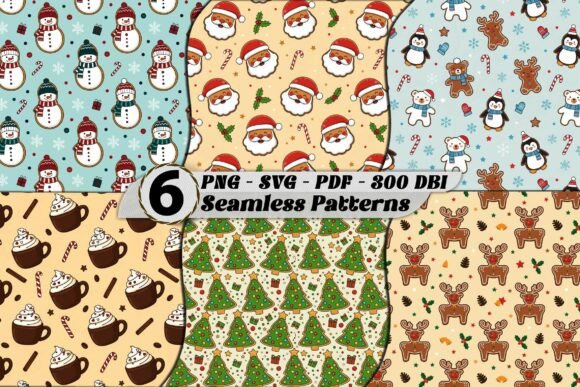
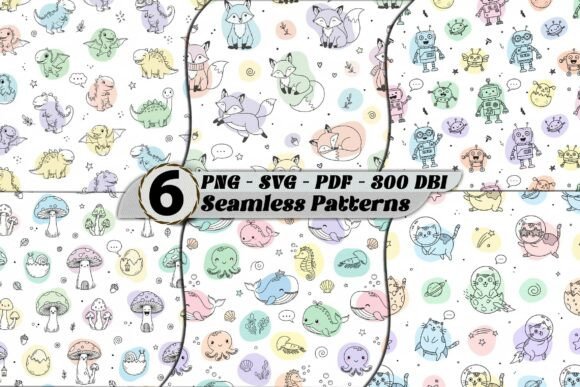
As someone who thinks about thread angle, fabric grain, and how a design will actually survive a wash cycle, I opened this set of 6 whimsical seamless patterns with a single question: would I stitch this onto a client’s tote, a baby gift, or a boutique sweatshirt without a second thought? The files—clean PNG, scalable SVG, and bonus PDF—aren’t embroidery files. They’re design assets. That distinction matters a lot. But after testing a few of the patterns in real embroidery scenarios, I can say with confidence that Whimsical Seamless Patterns PNG SVG can absolutely become a valuable part of your embroidery workflow, as long as you treat them as a creative springboard and not a finished stitch file.
First Impression: Lightness, Flow, and That Seamless Magic
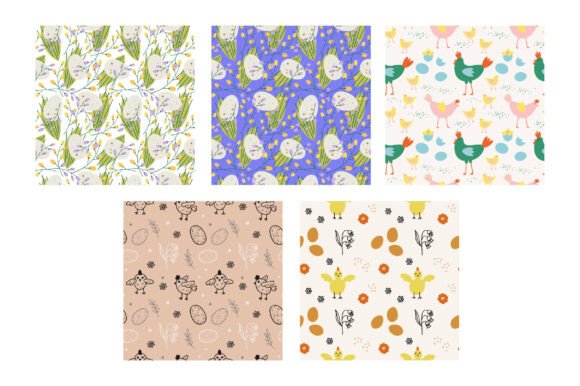
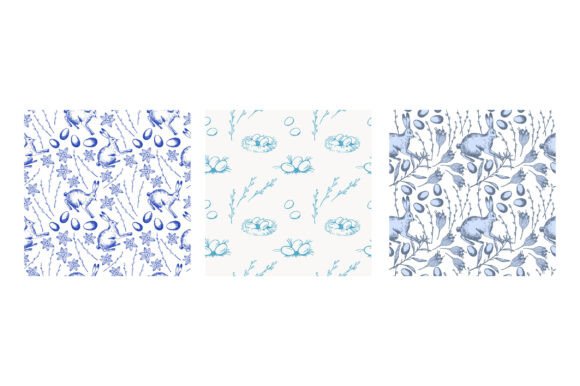
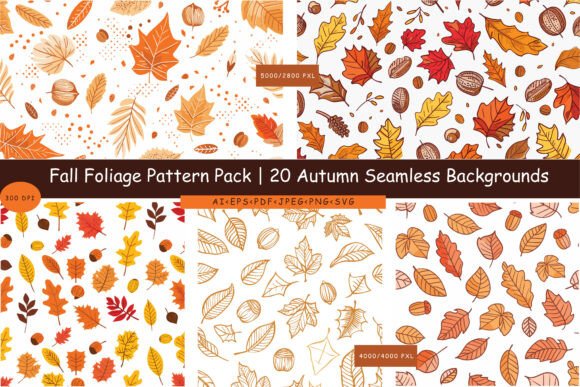
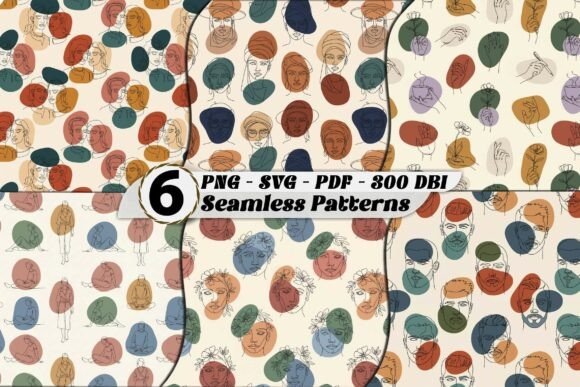
Open the folder and the vibe hits right away. These aren’t stiff digital vectors. The lines feel hand-drawn, airy, and slightly imperfect in the best way. There’s a playful rhythm to the repeating motifs—whimsical curls, gentle botanicals, or soft geometric doodles depending on the pattern you pick. The seamless repeat is tight. I zoomed in on the edges and couldn’t spot a visible tile break, which is huge if you’re planning an all-over design on a pillow cover or a continuous border on a tea towel. For an embroidery project, that kind of clean repeat means you can let the pattern flow across a large area without the eye catching an awkward seam after stitching.
The mood is relaxed but intentional. It reminds me of a sketchbook watercolor that somehow translated perfectly into thread. That softness, though, comes with a practical note: you’ll need to make scale decisions carefully. What looks charming on a screen at full size can turn into a blurry mess in a 4x4 inch hoop if you don’t simplify the motif. But handled thoughtfully, the visual personality is a genuine asset for makers who want their finished products to feel handcrafted rather than machine-perfect.
Stitching Whimsy onto a Custom Tote: A Real Test
I always let a project idea guide my review, so I imagined a repeat customer—a small gift shop owner—asking for a custom embroidered tote bag that felt artistic but not overwhelming. I picked one of the lighter, leafy patterns from the set and brought the SVG into Hatch Embroidery. The vector lines imported cleanly. I scaled the motif to about 5 inches tall, then manually assigned stitch types. The delicate outlines became a mixture of running stitch for stems and tiny satin stitch points for leaf tips, with a light fill stitch on a few accent shapes. I kept the stitch density deliberately low—around 0.4mm spacing on the fill—to avoid puckering on the medium-weight canvas.
Before touching the final tote, I tested on a scrap of the same cotton canvas. The first run showed me that the thinnest lines nearly vanished at that scale, so I nudged the motif size up by 15% and switched to a 40-weight polyester thread with a subtle sheen. That tiny change made the design read clearly without losing its airy feel. After finishing the tote and pressing it, the result was exactly what I hoped for: a beautifully understated embroidery that looked like the fabric itself was illustrated, not just embellished. For a boutique product, it added perceived value instantly. Customers notice when a design feels like a real artwork rather than a stock graphic.
Product Categories That Truly Benefit from These Patterns
Not every pattern shines on every surface, but this collection has clear sweet spots. I’d lean into products where a soft, continuous pattern becomes part of the story.
- Tote bags and canvas pouches: Use a single large motif or a repeating border. The relaxed linework complements natural cotton.
- Sweatshirt embroidery: Pick one pattern, extract a standalone cluster, and place it on the chest or sleeve. Avoid full-cover fills on knits to keep the fabric drape intact.
- Baby embroidery and nursery decor: The whimsical quality is a natural fit for onesie details, bib corners, or a decorative edge on a flannel blanket. Keep the stitch count low so the fabric stays soft.
- Kitchen towels and aprons: A border of the pattern along the hem, done in a single-color running stitch, turns a plain linen towel into a charming hostess gift.
- Pillow covers: An all-over seamless repeat on a cotton cover, with selective embroidery filling only a few shapes, gives a high-end boutique look.
Each of these projects benefits from the set’s hand-drawn character. Because the patterns don’t scream for attention, they layer beautifully with other embroidery elements—monograms, small badges, or a simple appliqé name—without clashing.
Tricky Situations Every Maker Should Anticipate
I’m a firm believer in testing limits before selling a finished product, and Whimsical Seamless Patterns PNG SVG will challenge you in a few places. On small hoop sizes, the pattern’s finer details can clog up. A 4x4 inch area forces you to either simplify radically or enlarge a single element beyond the original design intent. I found that isolating one clean motif and enlarging it worked far better than squeezing the whole repeat into a tiny space.
Curved surfaces like caps or structured bucket hats don’t love an all-over repeat; the distortion kills the seamless illusion. Save these patterns for flat or gently curved panels. Dark fabrics also demand a careful thread choice. The airy, pastel-like motifs can disappear if you match them too closely to the background. I always test a contrast thread—maybe a cream or soft gold on navy—and adjust the stitch width upward slightly so the design holds its own.
If you’re embroidering on stretchy or thin fabric, like a lightweight jersey, use a quality cut-away stabilizer and consider reducing the overall design area. Dense stitching on delicate fabric can cause ugly pulling. On highly textured fabrics, like a slubby linen or a terry towel, expect fine lines to blur; bump up the motif scale and switch to a satin stitch for key shapes rather than a thin running stitch.
Before You Press Start: Designer’s Checklist
Because these patterns come as graphic files, not digitized embroidery files, your prep work directly determines the finished product. Here’s what I do every time I convert one of these into a stitch-ready design.
- Test on scrap fabric first, with the exact stabilizer and hoop you’ll use. Thread behaves differently on a test swatch than on your computer screen.
- Review thread colors in natural light. Whimsical pastels often shift under stitch; what looked like a soft lilac on the screen may read as gray after sewing.
- Check stitch density manually. SVG imports give you outlines, but you set the fill spacing. For these delicate patterns, I keep density lighter to preserve the hand-drawn feel.
- Confirm hoop size early. Seamless repeats are tempting to use as all-over fills, but if your machine can’t handle the area, you’ll need to tile precisely or stick to accent placements.
- Inspect small details. If a motif contains ultra-fine lines, I convert them to a single running stitch or delete them entirely to avoid thread breaks and messy buildup.
- Test a black-and-white mockup of the design, even if you plan to use color. It reveals whether the pattern’s structure holds up without hue, which is critical for single-color embroidery products like linen napkins.
- Consider fabric texture. On loosely woven fabrics, skip the smallest details and enlarge the entire motif by at least 20%.
- License awareness. Since this is a digital pattern download, confirm the usage terms before selling embroidered items. Most designers allow limited commercial use, but you must know the boundaries—especially if you run an Etsy shop or a craft business.
The Business Side: How Seamless Patterns Strengthen Your Brand
What I appreciate most about a well-made set like Whimsical Seamless Patterns PNG SVG is the brand consistency it offers. Because the patterns repeat seamlessly, you can build a cohesive product line—matching tote and pouch, a baby blanket and bib set, a kitchen apron and towel duo—that all feel part of one artistic story. That kind of visual recognition builds buyer trust and often increases average order value. A customer who loves the whimsical border on a pillow cover is far more likely to pick up the coordinated tea towel.
The included PNG and PDF files also let you create beautiful printable mockups. I frequently layer the pattern onto a digital tote bag or pillow template to show clients how the finished piece will look, then overlay an embroidery preview to nail the final presentation. For small shop owners and Etsy sellers, this saves time and reduces the back-and-forth. The files double as design assets for product listings, social posts, and branding—so your embroidery project starts to feel like a complete handmade product before a single stitch is sewn.
Is This Set Right for Your Embroidery Toolbox?
If you’re an absolute beginner who expects a stitch-ready file, Whimsical Seamless Patterns PNG SVG isn’t that. But if you’re an intermediate or advanced embroiderer comfortable digitizing your own designs—or if you’re willing to learn—this collection is a quiet gem. The patterns push you toward a softer, more artistic aesthetic that stands apart from the bold, saturated motifs flooding many craft marketplaces. A finished tote, sweatshirt, or pillow cover carrying one of these thoughtful designs feels like a personalized gift, not a mass-produced item. That’s a real advantage when you’re trying to build a small shop reputation on quality and care.
I’ll keep these files within easy reach for projects where a gentle, flowing pattern elevates the entire piece. Whether you’re preparing holiday embroidery, a baby shower present, or a line of boutique products for a craft fair, this set gives you a strong foundation. Just remember to scale wisely, test your thread choices, and always respect the stabilizer beneath the fabric. The magic is in the details, and with these patterns, you’re the one who gets to guide the needle there.